Saludos_site_splash-01.png

On June 24th, 2026, massive double earthquakes added more tragedy to the already Complex Humanitarian Emergency in Venezuela, stretching for the past 10 years.

your monetary Donation is needed Now!

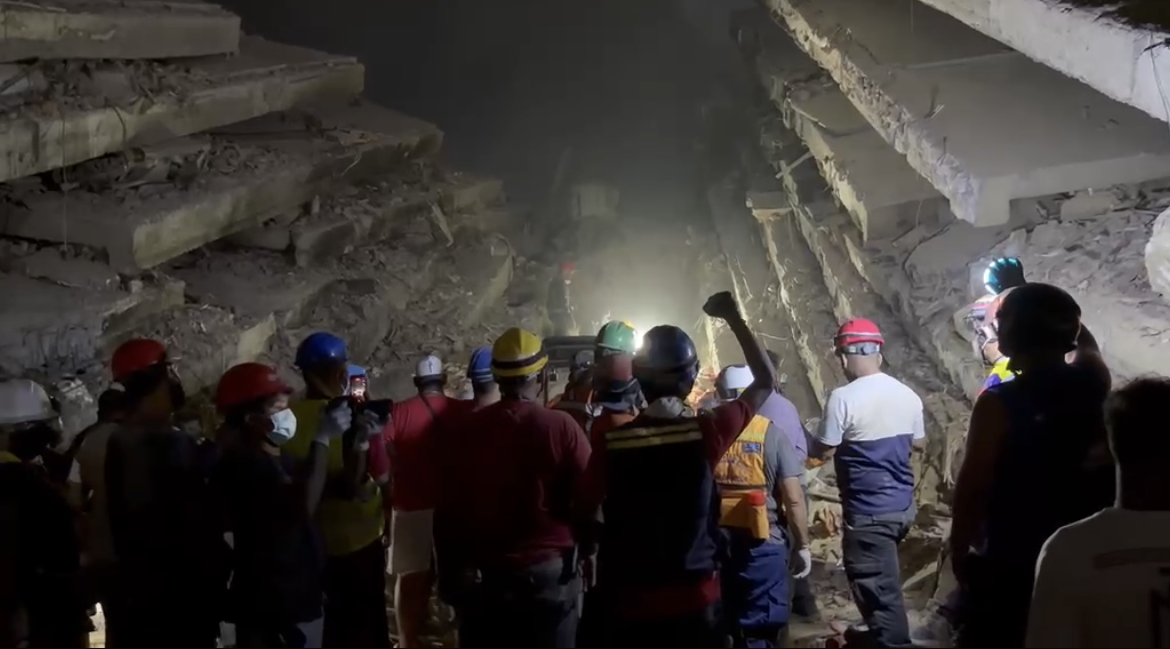
Video courtesy of Constanza Plaza Gonzalez

FOX’s Ruben Dominguez in Houston interviewing Maria Manrique from Saludos Connection

 Buildings fell in Caracas and across the central region. A state of emergency was declared. And the people now sleeping outside, searching the rubble, and waiting for help were already living through one of the longest humanitarian emergencies in the hemisphere.

For ten years, Venezuelan families have met scarcity with extraordinary resourcefulness. This disaster lands on top of that decade, without a way to replace what the earth took in seconds.

Or response is lifesaving. From the very beginning of our operations, we have worked with close allies — trusted partners from the communities we serve.

 How we are responding today - We are working in several spaces.

On the ground:

Donations go directly from Saludos Connection to our trusted contacts, organizations and volunteers on the ground in Venezuela. With your donations we have been able to fund the purchase of equipment and tools, cover the costs of transportation, provide food, medical supplies, and medicine and support local shelters and organizations serving children and those serving elderly.

Locally:

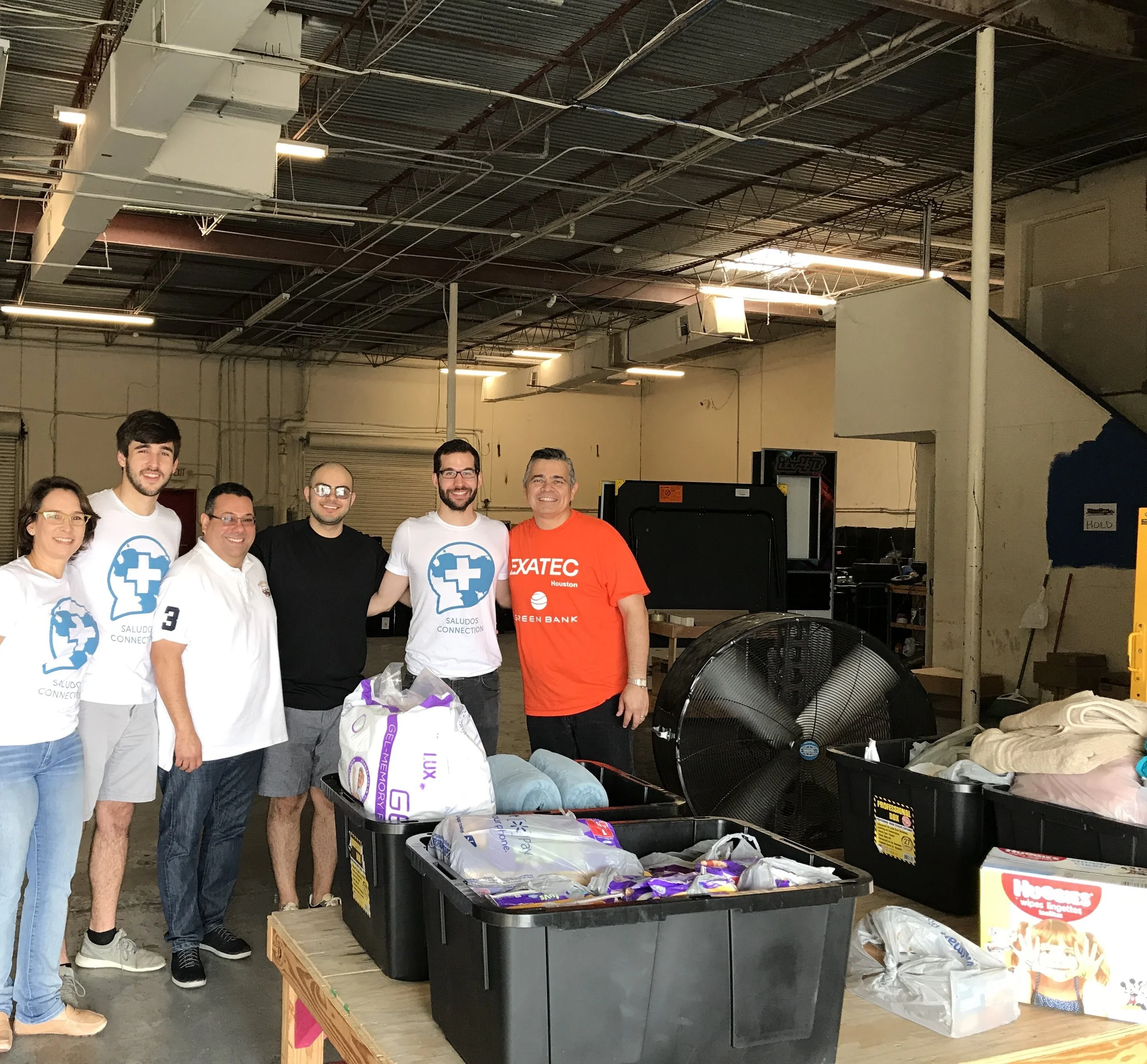
Donations go directly from Saludos Connection to defray logistical costs to get supplies to Venezuela. Supplies are being collected by our volunteers, and allied organizations in Houston. Shipments are being organized by these teams and delivery in Venezuela is being coordinated through our partners, which include organizations and medical teams on the ground.

Why your gift moves fast

The supplies that save lives right now — medicine, food, water, hygiene and first-aid essentials — exist inside Venezuela. What is missing is not the goods but the means to acquire them, quickly, where they are needed for our initial response.

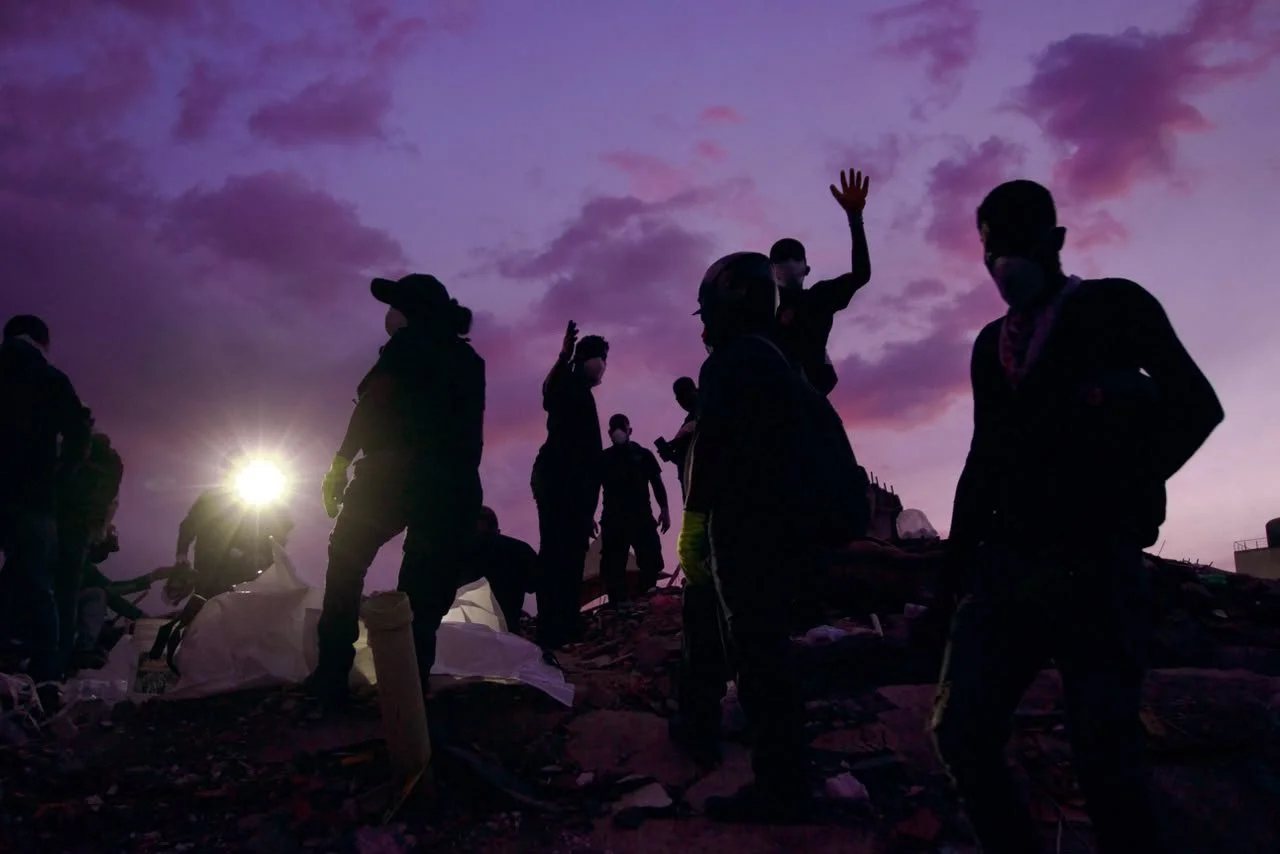
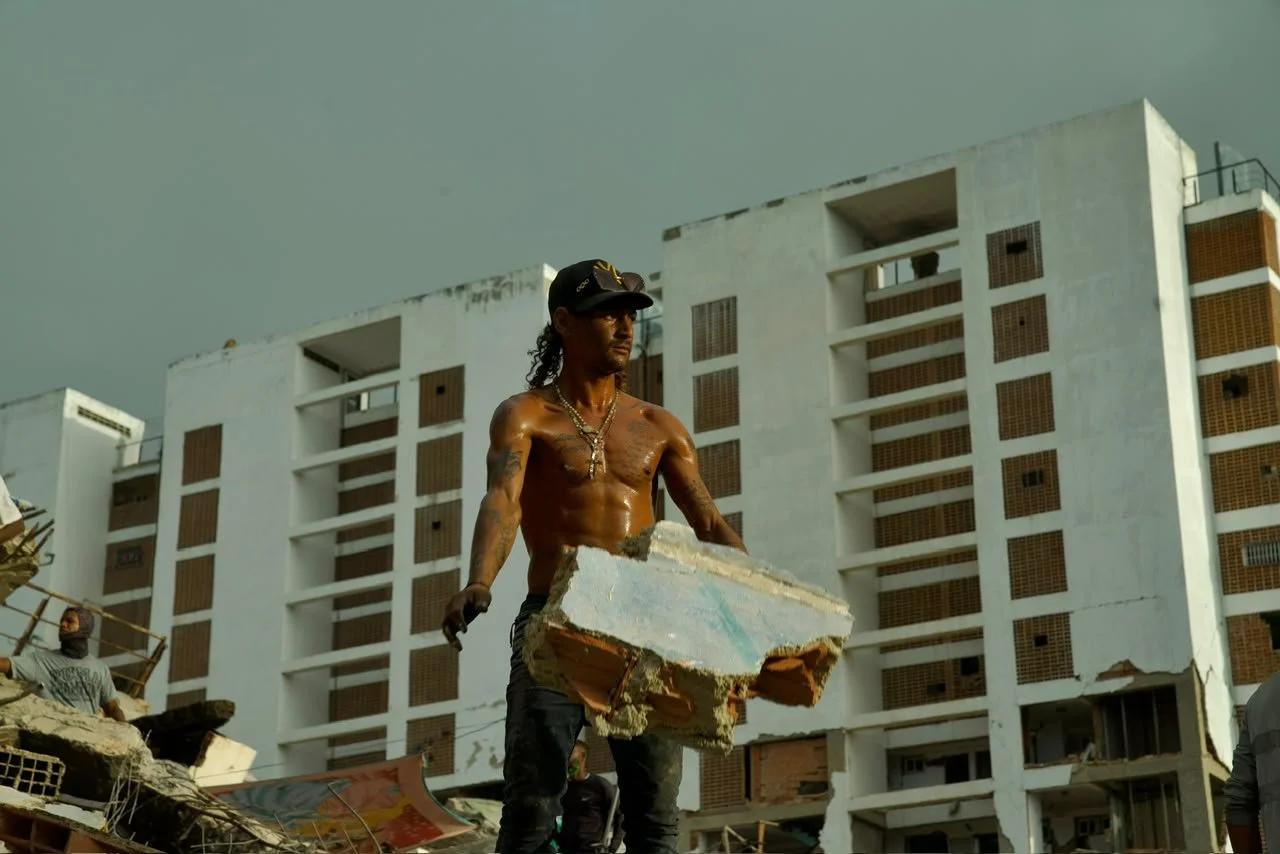
Images courtesy of Mireya Fabregas Besson

Video courtesy of Constanza Plaza Gonzalez

vENEZUELA EARTHQUAKE RELIEF FAQs

What happened in Venezuela? On June 24, 2026, two earthquakes struck north-central Venezuela less than a minute apart — a magnitude 7.2 followed by a 7.5 — the most powerful tremor the country has recorded in more than a century. Buildings collapsed in Caracas and across the central region, and a state of emergency was declared. The disaster fell on a country already living through one of the longest humanitarian emergencies in the hemisphere.

Who is my donation helping right now? Your donation reaches the people the earthquakes have hit hardest, channeled through trusted contacts and groups already working on the ground. For now, most of it is going to the rescue effort — for as long as there is a chance of finding people alive. Right now, that support is reaching:

  • To a trusted group organized that travels to La Guaira every day to deliver tools and equipment in support of rescue teams, mobile medical teams, and logistics crews. Through them, your contributions have purchased power generators, rescue tools, and Starlink antennas, among other essentials.

  • To cover the transport of a rescue team from Puerto La Cruz to La Guaira, arranged through another trusted contact.

  • Directly to the organization caring for children who have been left without families.

  • Directly to the organization attending to the needs of older adults, many of them now alone after years of migration.

  • To support families displaced by the disaster who are now sheltering in Parque del Este, through another contact on the ground.

  • To purchase equipment for a professional, specialized rescue team operating in Venezuela.

The equipment already purchased keeps working: as the search winds down in one area, teams move the generators, tools, and antennas to the places where rescue is still underway. As needs shift, we are now buying portable antennas to support the medical teams that move from site to site to care for the victims.

Together, these efforts reach both the immediate victims of the disaster — the injured, the trapped, and the displaced — and those left most vulnerable in its wake, among them children left without families and older adults now living alone.

What does the emergency response look like right now? In the first days after a disaster, lives are saved or lost by how fast help arrives. We are supporting medical teams on the ground who are traveling to the disaster sites to treat victims where they are — and, just as critically, we are funding the logistics that make those missions possible: moving personnel, medicine, and equipment to places that are hard to reach in the aftermath of the earthquakes. Medical missions in under-resourced settings are work we have supported for years; in this emergency, we are helping those teams move faster and reach farther.

What about older adults? They are part of this response, too. One of the organizations we fund attends to the needs of older adults — many of them now alone, their children and families among the millions who left Venezuela in recent years. For now, most of our help is going to the rescue effort while there is still a chance of finding people alive, but we have not lost sight of those left most vulnerable in the aftermath.

Why don't you name the partner organizations? We are intentionally not naming our partners in public materials. Protecting the identity of certain allies, so they can keep serving their communities, is a long-standing commitment of ours — not a new decision prompted by this disaster. In the current operating environment, that discretion is how we safeguard the people who carry out this work on the ground and the people they serve. It is a deliberate, responsible choice — not a lack of transparency — and we ask our donors to trust that protecting our partners is part of doing this work well.

Have you worked with these partners before? Yes, with some — for more than ten years. Across that decade, Saludos Connection has worked alongside several trusted organizations in Venezuela, through medical missions, aid drives, and previous crises, including the hardest months of the pandemic. In response to these earthquakes, we reactivated our work with the partners best placed to respond — both the medical teams reaching the disaster sites and those who specialize in caring for older adults. This is not an improvised response; it is built on relationships already tested under pressure.

How does my donation actually reach people in Venezuela? Funds are channeled directly from Saludos Connection to our trusted partners on the ground — the medical teams responding at the disaster sites and the organizations caring for older adults — who use them to deliver care, purchase supplies, and cover the logistics of reaching the affected areas. The path is short and direct by design — fewer steps, faster help.

Why purchase supplies locally instead of shipping them from the U.S.? The supplies that save lives right now — medicine, food, water, hygiene and first-aid essentials — already exist inside Venezuela. What is missing is not the goods but the means to acquire them quickly, where they are needed. Buying locally avoids a cross-border logistics chain that simply cannot move fast enough in an emergency, and it puts help on a doorstep in days rather than weeks. Moving money in the ground also helps the fragile economy to keep running.

What will my donation fund? Two things. For the immediate response: support for the medical teams treating victims and the logistics that get them to the disaster sites. For sustained care: essentials for older adults in crisis — medicine, food, clean water, and hygiene and first-aid items — prioritized by our partners according to the needs they see firsthand.

Is my donation tax-deductible? Yes. Saludos Connection is a registered 501(c)(3) public charity (EIN 82-0678031). Donations are tax-deductible to the full extent allowed by U.S. law.

Will my employer match my gift? Many employers match charitable donations through platforms like this one — which means your gift may reach twice as many people at no extra cost to you. Check your company's matching program when you give. They might have a matching program already. Please give to any organization that aligns with your values.

Is there a fundraising goal or deadline? This is an open, rolling fund. Because the need is urgent and evolving, every contribution goes to work as it arrives, for as long as the relief effort requires it.

Can I donate goods instead of money? Right now, financial gifts are far more effective than in-kind donations. The fastest, most flexible way to help is to fund the response on the ground, so our partners can secure exactly what is needed — supplies, care, or transport — the moment it is needed.

How do I know my donation is used responsibly? Saludos Connection has spent a decade building bridges between Houston, Venezuela, and the diaspora, and we direct these funds through partners we know and have worked with for years. We protect our partners' identities, but we do not compromise on our responsibility to you: your gift goes to emergency relief — medical response and care for older adults — full stop. We will provide donors with reports on how their donations are used.

How can I help beyond donating? Share this fund. Relief multiplies when it is shared — tell a colleague, ask your employer about matching, and help one more person in Venezuela know that someone, somewhere, did not look away.

PREGUNTAS FRECUENTES

¿Qué pasó en Venezuela? El 24 de junio de 2026, dos terremotos sacudieron el centro-norte de Venezuela con menos de un minuto de diferencia —uno de magnitud 7,2 seguido de uno de 7,5—, el más fuerte que el país ha registrado en más de un siglo. Cayeron edificios en Caracas y en buena parte de la región central, y se declaró el estado de emergencia. El desastre golpeó a un país que ya atravesaba una de las emergencias humanitarias más largas del hemisferio.

¿A quién ayuda ahora mi donación? Su donación llega a las personas a quienes los terremotos golpearon con más fuerza, canalizada a través de contactos y grupos de confianza que ya trabajan sobre el terreno. Por ahora, la mayor parte va al esfuerzo de rescate —mientras exista la posibilidad de encontrar personas con vida—. Ahora mismo, ese apoyo está llegando a:

  • Con un grupo de logística que va a La Guaira todos los días a entregar equipos y herramientas para apoyar a los rescatistas, a los equipos médicos móviles y a los equipos de logística. A través de ellos, sus aportes han comprado plantas eléctricas, herramientas de rescate y antenas Starlink, entre otros insumos esenciales.

  • Para cubrir el transporte de un equipo de rescatistas desde Puerto La Cruz hasta La Guaira, gestionado a través de otro contacto de confianza.

  • Directamente a la organización que cuida a niños que han quedado sin familia.

  • Directamente a la organización que atiende las necesidades de los adultos mayores, muchos de ellos hoy solos tras años de migración.

  • Para apoyar a las familias damnificadas por el desastre que hoy se refugian en el Parque del Este, a través de otro contacto sobre el terreno.

  • Para comprar equipos para un equipo profesional y especializado de rescate que opera en Venezuela.

Los equipos que ya se compraron siguen en uso: a medida que la búsqueda se agota en una zona, los equipos trasladan las plantas, las herramientas y las antenas a los lugares donde el rescate continúa. Y como las necesidades cambian, ahora estamos comprando antenas portátiles para apoyar a los equipos médicos que se trasladan de sitio en sitio para atender a las víctimas.

En conjunto, estos esfuerzos llegan tanto a las víctimas inmediatas del desastre —los heridos, los atrapados y los desplazados— como a quienes quedaron más vulnerables tras él, entre ellos los niños sin familia y los adultos mayores que hoy están solos.

¿Cómo es la respuesta de emergencia en este momento? En los primeros días tras un desastre, la rapidez con que llega la ayuda decide quién se salva. Estamos apoyando a equipos médicos sobre el terreno que se trasladan a los sitios del desastre para atender a las víctimas donde están —y, igual de importante, financiamos la logística que hace posibles esas misiones: llevar personal, medicinas y equipos a lugares de difícil acceso tras los terremotos—. Las misiones médicas en entornos de bajos recursos son un trabajo que hemos apoyado durante años; en esta emergencia, ayudamos a esos equipos a moverse más rápido y llegar más lejos.

¿Y los adultos mayores? También forman parte de esta respuesta. Una de las organizaciones que financiamos atiende las necesidades de los adultos mayores —muchos hoy solos, con sus hijos y familias entre los millones que dejaron Venezuela en los últimos años—. Por ahora, la mayor parte de nuestra ayuda va al esfuerzo de rescate mientras exista la posibilidad de encontrar personas con vida, pero no perdemos de vista a quienes quedaron más vulnerables tras el desastre.

¿Por qué no nombran a las organizaciones aliadas? No nombramos a nuestros aliados en los materiales públicos de manera deliberada. Proteger la identidad de ciertos aliados, para que puedan seguir sirviendo a sus comunidades, es un compromiso de larga data de nuestra organización —no una decisión nueva motivada por este desastre—. En el contexto operativo actual, esa discreción es la forma en que resguardamos a quienes llevan adelante este trabajo sobre el terreno y a las personas que atienden. Es una decisión consciente y responsable —no una falta de transparencia— y les pedimos a nuestros donantes que confíen en que proteger a nuestros aliados es parte de hacer bien este trabajo.

¿Ya habían trabajado con estos aliados? Sí, con algunos —desde hace más de diez años—. A lo largo de esa década, Saludos Connection ha trabajado junto a varias organizaciones de confianza en Venezuela, a través de misiones médicas, jornadas de ayuda y crisis anteriores, incluidos los meses más duros de la pandemia. Ante estos terremotos, reactivamos el trabajo con los aliados mejor ubicados para responder: tanto los equipos médicos que llegan a los sitios del desastre como quienes se especializan en el cuidado de los adultos mayores. No es una respuesta improvisada: se apoya en relaciones ya puestas a prueba bajo presión.

¿Cómo llega realmente mi donación a las personas en Venezuela? Los fondos se canalizan directamente de Saludos Connection a nuestros aliados de confianza sobre el terreno —los equipos médicos que responden en los sitios del desastre y las organizaciones que cuidan a los adultos mayores—, que los usan para brindar atención, comprar insumos y cubrir la logística para llegar a las zonas afectadas. El camino es corto y directo a propósito: menos pasos, ayuda más rápida.

¿Por qué comprar los insumos localmente en lugar de enviarlos desde EE. UU.? Los insumos que hoy salvan vidas —medicinas, alimentos, agua, artículos de higiene y primeros auxilios— ya existen dentro de Venezuela. Lo que falta no son los bienes, sino los medios para adquirirlos rápido y donde se necesitan. Comprar localmente evita una cadena logística transfronteriza que sencillamente no puede moverse con la rapidez que exige una emergencia, y pone la ayuda en una puerta en días, no en semanas. La ayuda en dinero permite que la frágil actividad económica se mantenga.

¿Qué financia mi donación? Dos cosas. Para la respuesta inmediata: apoyo a los equipos médicos que atienden a las víctimas y la logística que los lleva a los sitios del desastre. Para el cuidado sostenido: lo esencial para adultos mayores en crisis —medicinas, alimentos, agua potable y artículos de higiene y primeros auxilios—, priorizado por nuestros aliados según las necesidades que observan de primera mano.

¿Mi donación es deducible de impuestos? Sí. Saludos Connection es una organización benéfica 501(c)(3) registrada (EIN 82-0678031). Las donaciones son deducibles de impuestos en la medida que permite la ley de EE. UU.

¿Mi empleador igualará mi aporte? Muchas empresas igualan las donaciones a través de plataformas como esta —lo que significa que su aporte podría llegar al doble de personas sin costo adicional para usted—. Verifique el programa de matching de su empresa al donar. Es posible que ya haya uno. Le animamos a donar, a la organización que esté alineada con sus valores, pero por favor done.

¿Hay una meta o una fecha límite de recaudación? Es un fondo abierto y continuo. Como la necesidad es urgente y cambiante, cada aporte se pone a trabajar apenas llega, durante todo el tiempo que requiera la respuesta.

¿Puedo donar bienes en lugar de dinero? En este momento, los aportes económicos son mucho más efectivos que las donaciones en especie. La manera más rápida y flexible de ayudar es financiar la respuesta sobre el terreno, para que nuestros aliados consigan exactamente lo que se necesita —insumos, atención o transporte— en el momento en que se necesita.

¿Cómo sé que mi donación se usa de forma responsable? Saludos Connection lleva una década tendiendo puentes entre Houston, Venezuela y la diáspora, y dirige estos fondos a través de aliados que conocemos y con los que hemos trabajado durante años. Protegemos la identidad de nuestros aliados, pero no transamos con nuestra responsabilidad hacia usted: su aporte va a la ayuda de emergencia —la respuesta médica y el cuidado de los adultos mayores—, sin más. Nosotros proveeremos reportes de cómo se utilizan sus donaciones.

¿Cómo puedo ayudar además de donar? Comparta este fondo. La ayuda se multiplica cuando se comparte: cuéntele a un colega, pregunte en su empresa por el matching, y ayude a que una persona más en Venezuela sepa que alguien, en algún lugar, no miró hacia otro lado.

Saludos Connection · 501(c)(3) · EIN 82-0678031 · 5373 W Alabama St., Suite 432, Houston, TX 77056 · saludosconnection.org